BLOG
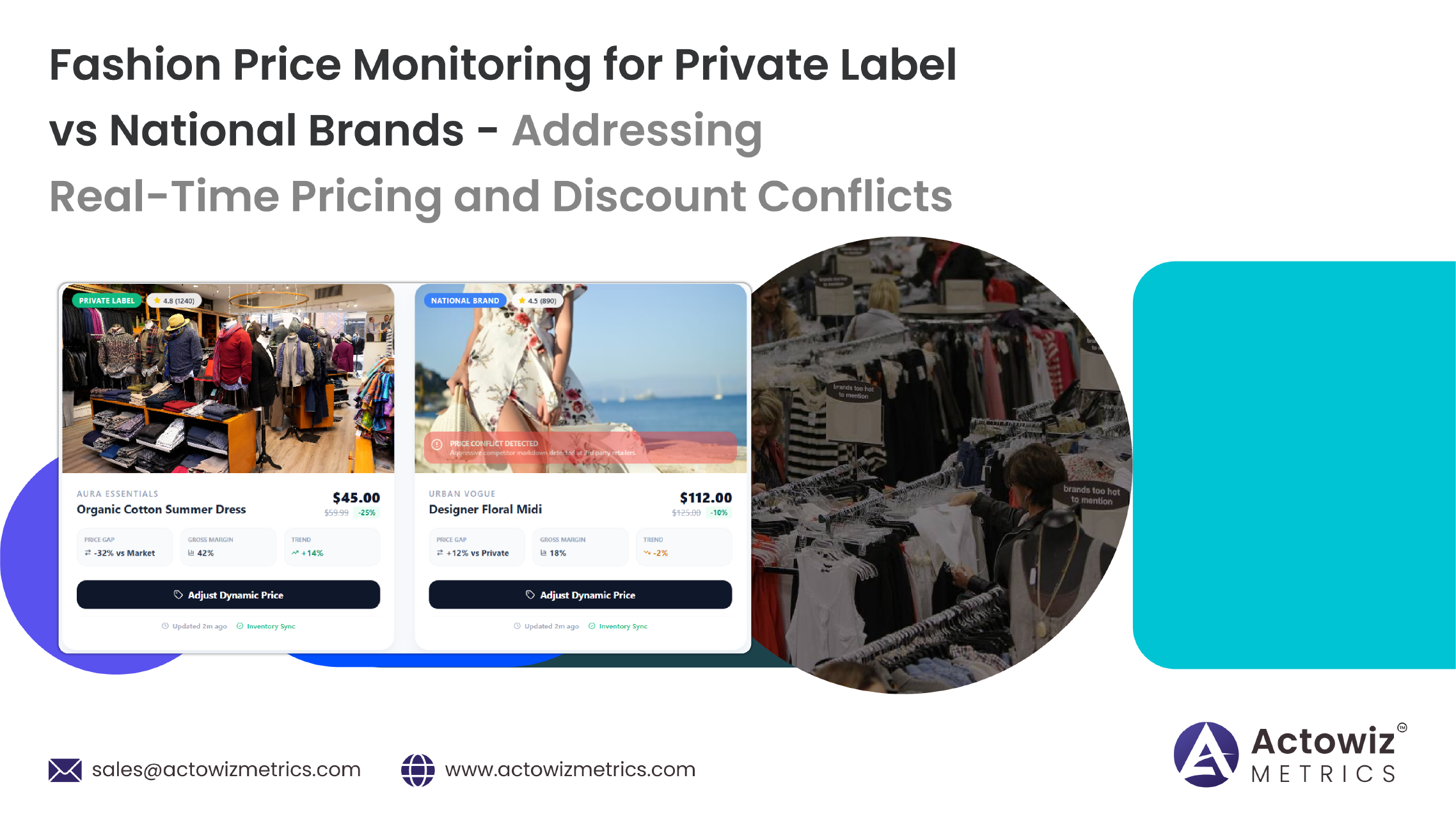
The fashion e-commerce ecosystem has evolved into a hyper-competitive battleground where pricing decisions are made in minutes, not days. As online marketplaces expand assortments and promotional intensity increases, brands face mounting pressure to balance competitiveness with profitability. One of the most complex challenges retailers face today is Fashion Price Monitoring for Private Label vs National Brands, where conflicting discount strategies can quickly erode margins and brand perception.
Private labels often compete aggressively on price, while national brands rely on equity, perceived value, and controlled discounting. However, when both coexist on the same digital shelves, pricing conflicts become inevitable. Without real-time visibility, brands may unknowingly undercut themselves or violate confirmed pricing strategies. This is where Price Benchmarking becomes essential. It allows retailers to measure pricing positions accurately across competitors, platforms, and timelines.
Effective benchmarking is no longer static. It must be dynamic, automated, and deeply granular to capture the rapid changes that define today’s fashion retail environment. This blog explores how real-time pricing intelligence resolves conflicts between private labels and national brands and how data-driven strategies help retailers stay ahead.
Fashion retail has witnessed a profound shift in competitive power over the past few years. Using Private Label vs National Fashion Brand Performance Analytics, retailers can now quantify how consumer demand, pricing sensitivity, and promotional success differ between brand types. These insights form the backbone of strategic Brand Competition Analysis, helping businesses understand where they are winning or losing.
From 2020 to 2026, private labels steadily gained ground due to faster design cycles and aggressive discounting, while national brands focused on premium positioning.
| Year | Private Label Share | National Brand Share |
|---|---|---|
| 2020 | 30% | 70% |
| 2021 | 34% | 66% |
| 2022 | 38% | 62% |
| 2023 | 42% | 58% |
| 2024 | 45% | 55% |
| 2025 | 48% | 52% |
| 2026* | 52% | 48% |
Performance analytics reveal that pricing flexibility gives private labels an edge during sales-heavy periods, while national brands perform better during full-price windows. Understanding this balance enables retailers to align pricing strategies with brand strengths rather than reacting blindly to competitors.
Accurate pricing insights depend on high-quality data. Private Label vs National Brand Data Scraping in Fashion enables retailers to capture real-time prices, discounts, stock levels, and seller behavior across multiple platforms. When combined with Product Data Tracking, it creates a comprehensive view of market activity.
| Year | SKUs Tracked | Marketplaces Covered |
|---|---|---|
| 2020 | 40,000 | 3 |
| 2021 | 75,000 | 4 |
| 2022 | 130,000 | 6 |
| 2023 | 210,000 | 8 |
| 2024 | 320,000 | 10 |
| 2025 | 420,000 | 11 |
| 2026* | 600,000 | 14 |
Without automated scraping, retailers rely on delayed or partial data, leading to missed opportunities and reactive pricing. Continuous product tracking ensures pricing decisions are backed by real-time intelligence rather than assumptions.
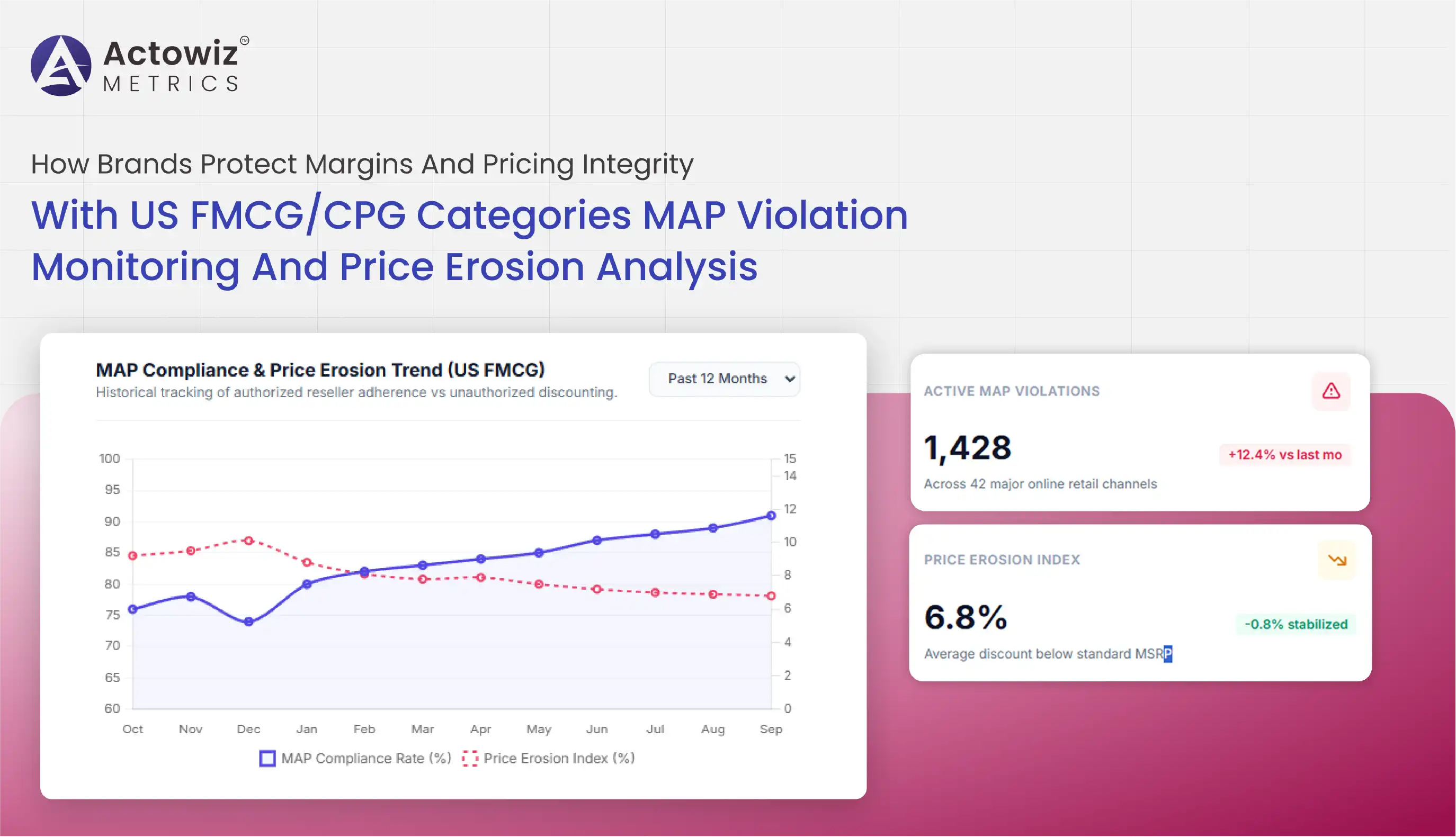
Discounting is one of the most powerful—and dangerous—tools in fashion retail. Brands increasingly Scrape Private Label and National Brand Sales Data to monitor promotional behavior across channels. This visibility supports strict MAP Monitoring, protecting brands from unauthorized discounting.
| Year | Avg. Discount % |
|---|---|
| 2020 | 22% |
| 2021 | 26% |
| 2022 | 31% |
| 2023 | 35% |
| 2024 | 38% |
| 2025 | 41% |
| 2026* | 45% |
Unchecked discounting creates price wars that damage long-term brand equity. Sales data scraping allows brands to detect violations early, enforce pricing policies, and maintain consistent value perception across platforms. This is especially critical for national brands competing with price-led private labels.
Modern retailers rely on Competitive Price Intelligence for Fashion Brands to decode complex pricing signals. Intelligence platforms correlate competitor prices, discount timing, and assortment overlap to identify optimal pricing moves.
| Year | Avg. Response Time |
|---|---|
| 2020 | 36 hours |
| 2021 | 28 hours |
| 2022 | 18 hours |
| 2023 | 10 hours |
| 2024 | 5 hours |
| 2025 | 2 hours |
| 2026* | <1 hour |
With faster response times, brands avoid knee-jerk discounts and instead apply precision pricing. This ensures competitiveness without unnecessary margin loss, especially during high-volume events like festive sales and influencer campaigns.
Comparing private labels and national brands requires consistent data frameworks. The ability to Extract Private Label vs National Fashion Brand Data ensures accurate comparisons across price points, sizes, materials, and availability.
| Metric | Before | After |
|---|---|---|
| SKU Matching Accuracy | 58% | 92% |
| Pricing Errors | 16% | 3% |
| Analysis Time | Days | Minutes |
Unified datasets eliminate inconsistencies, enabling retailers to align pricing tiers logically. This clarity supports assortment optimization, brand positioning, and long-term pricing strategies across digital channels.
Fashion pricing is no longer seasonal—it is continuous. Real-Time Private Label vs National Fashion Brand Performance Tracking enables brands to monitor pricing movements as they happen, not after damage is done.
| Year | Adoption Rate |
|---|---|
| 2020 | 25% |
| 2021 | 33% |
| 2022 | 45% |
| 2023 | 57% |
| 2024 | 68% |
| 2025 | 78% |
| 2026* | 88% |
Real-time tracking empowers pricing teams to act proactively—adjusting prices, managing discounts, and aligning inventory strategies instantly. This agility is essential in managing conflicts between private labels and national brands.
Actowiz Metrics delivers enterprise-grade E-commerce Analytics tailored for complex fashion pricing ecosystems. Our solutions enable continuous Fashion Price Monitoring for Private Label vs National Brands, providing real-time visibility into prices, promotions, and performance. With automated data extraction, advanced dashboards, and actionable insights, Actowiz Metrics helps retailers eliminate pricing conflicts, protect margins, and respond confidently to market changes.
Pricing conflicts between private labels and national brands are inevitable—but unmanaged conflicts are costly. Leveraging Digital Shelf Analytics alongside Fashion Price Monitoring for Private Label vs National Brands enables retailers to maintain pricing consistency, safeguard brand equity, and outperform competitors in real time.
Take control of real-time pricing, eliminate discount conflicts, and drive smarter fashion decisions—partner with Actowiz Metrics today!
Expert blogs, research reports and infographics — practical, data-driven reading across e-commerce and quick-commerce.
Most fields are optional — the more you share, the better your sample.
.webp "infographics")
.webp "infographics")